CMS architecture for content-heavy websites
Structured CMS planning and implementation for websites with projects, services, industries, articles, locations, resources and scalable content needs.










Why CMS architecture matters before the site grows
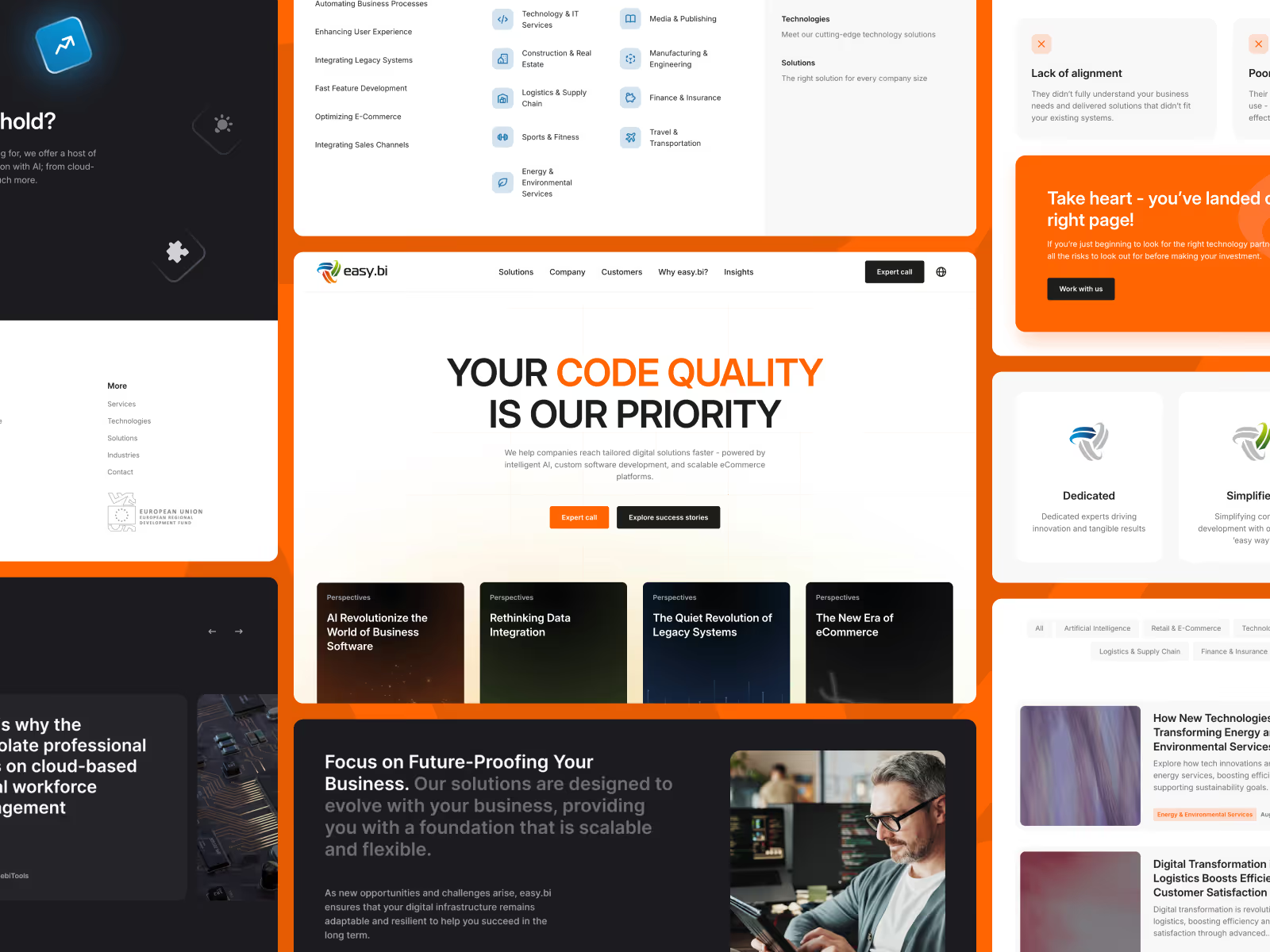
A CMS should match how the business publishes, connects and scales content. Without planning, content models become messy, templates become rigid and future pages become harder to manage.
Common problems this service solves
- CMS fields are created without a clear content model.
- Collections do not connect services, industries, projects or articles properly.
- Editors need to duplicate pages instead of using dynamic templates.
- Filters, related content and SEO fields are difficult to manage.
- The CMS cannot support future growth without rebuilding sections.
From content model to a scalable CMS
Day 1-3
Content audit and CMS goals
We review the content types, page templates, relationships and future publishing needs.
- Content inventory
- CMS goals
- Collection list
- Relationship notes
Day 4-7
Collection planning
We define CMS collections, fields, references, slugs, SEO fields and editor logic.
- CMS architecture map
- Field structure
- Reference logic
- SEO field plan
Week 2
Template design logic
We plan how dynamic templates should display content, related items, filters and reusable sections.
- Template structure
- Related content logic
- Filter requirements
- Dynamic section plan
Week 3
CMS implementation
We build the content model, templates, dynamic lists and CMS-driven areas in Webflow or a headless CMS, depending on the project.
- CMS collections or schemas
- Dynamic templates
- Content relationships
- Filtering setup
Handoff
Editor workflow and testing
We test publishing behavior and prepare notes so the CMS can be managed confidently after launch.
- Editor workflow
- Sample content
- QA notes
- CMS handoff
The tools change. The standard does not.
We use the stack that fits the project, the team and what needs to happen after launch.



















Why choose us for CMS Architecture
- CMS planned around business logic. Collections are structured around how content needs to be published, reused and connected.
- Scalable templates. Dynamic pages are built to support future services, industries, case studies, resources or locations.
- Cleaner editorial workflow. The CMS is prepared so editors can manage content without breaking the design system.
What clients say after working with us


Igorev Agency delivered a polished website that accurately reflected our brand and mission. The team's responsiveness, seamless communication, and timely delivery were impressive. Their professionalism, adaptability, and focus during meetings were hallmarks of their work.



Igorev team delivered a visually stunning website that met all our functional requirements. The team followed the end client's instructions precisely, delivered on time, and communicated consistently. They also responded promptly to needs and quickly implemented any feedback.

Igorev Agency successfully implemented the scrolling animation, which elevated the presentation and interactivity of my portfolio. The team managed the project efficiently, communicating quickly and clearly. Their ability to translate creative ideas into engaging animations stood out.


One of the biggest benefits was the ability to meet quick development timelines during periods of increased workload. Their team helped us execute and deliver projects within tight turnaround that would otherwise have required significantly longer delivery cycles.


Igorev Agency delivered a high-quality website on time, exceeding our expectations. Their responsiveness and prompt communication ensured a smooth collaboration. We were also impressed by the team's speed of work.


Igorev Agency was attentive, thorough, and prompt throughout the engagement. The team also communicated effectively via email, messaging apps, and virtual meetings. The website is live and I am able to send leads to it.



Arsen did a great job on building our Webflow website. He took our design ideas and enhanced them with his own design background. We had a bunch of back and forth on the site (I'm particular) and Arsen expeditiously delivered on every round. He made suggestions and steered me toward better decision.


Frequently asked questions
What is CMS architecture?
CMS architecture is the planning and setup of content types, fields, references, templates and dynamic content logic.
When do we need a CMS-driven website?
You need a CMS when the website has repeatable content such as projects, services, industries, team members, articles, locations or resources.
Do you only build CMS systems in Webflow?
No. Webflow CMS is a strong option for many marketing websites. For more complex content models or custom frontend projects, we can use a headless CMS such as Sanity.
Can you connect related content between collections?
Yes. We can connect services, industries, projects, testimonials, articles and other content types through references and relationships.
Can the CMS be changed later?
Yes, but major structural changes are easier and safer when the architecture is planned properly before full build-out.
Still got questions?

Build a CMS structure that can scale with your content
Tell us what you need to build, redesign or migrate. We will help you define the right Webflow structure, realistic scope and next step.